
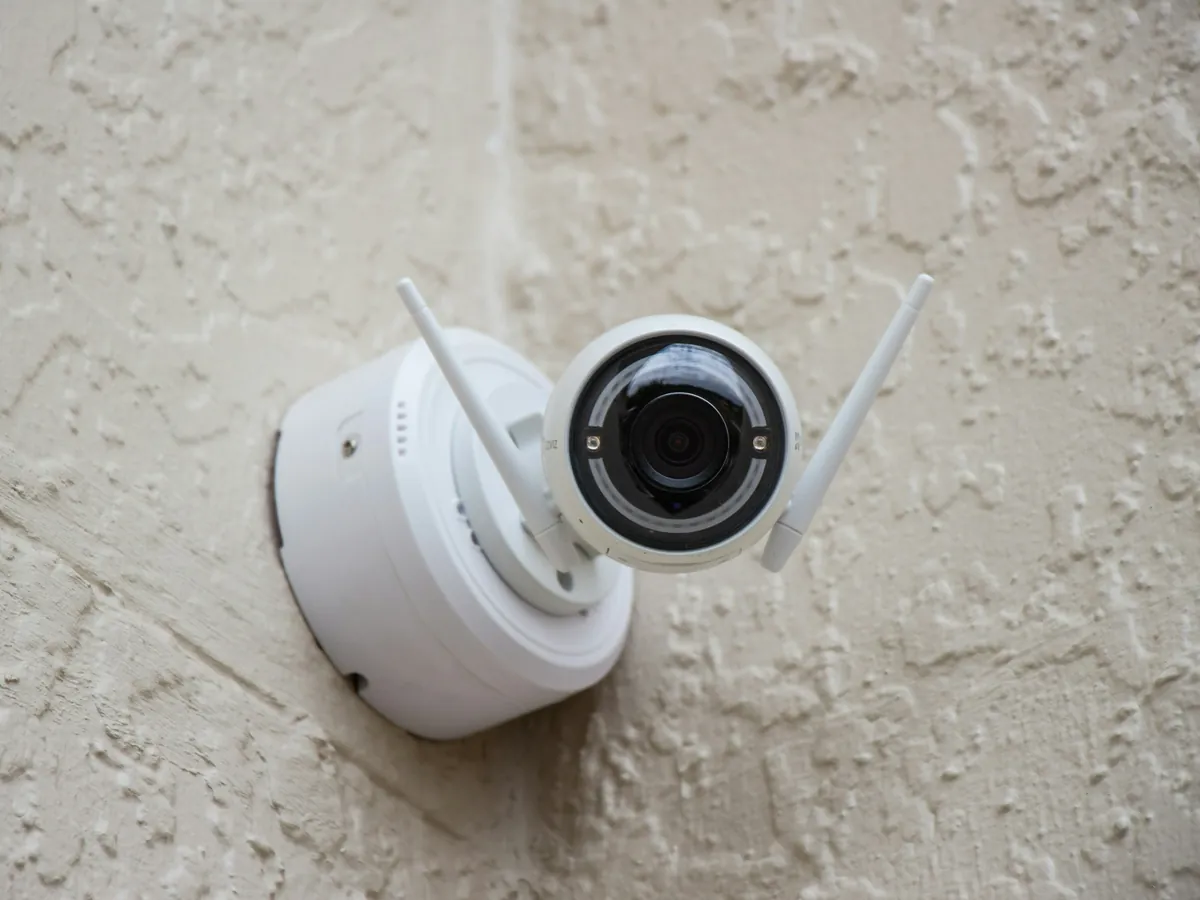
Smoke & heat alarm installation in Irvine
Smoke & heat alarm installation in Irvine to meet the Scottish standard for interlinked alarms. We fit mains-wired or sealed battery alarms in the right rooms, link them together and test every one, with a free quote.
- 5 years in business
- No call-out charge
- Free, no-obligation quotes
- 24/7 emergency call-outs
Smoke & heat alarm installation for Irvine homes
- 01
What the Scottish standard requires
Since February 2022, every home in Scotland must have a smoke alarm in the room used most during the day, a smoke alarm in every hallway and landing, and a heat alarm in the kitchen. All of them must be interlinked and fixed to the ceiling.
- 02
Carbon monoxide alarms
If you have a gas boiler, an open fire, a wood burner or any other appliance that burns fuel, you also need a carbon monoxide alarm. It doesn't have to be linked to the smoke and heat alarms, but it does need to sit in the right place for the appliance.
- 03
Mains-wired or sealed battery
Alarms can be mains-wired or run on sealed, tamper-proof long-life batteries, which last around ten years. Wired alarms usually need cables run to the ceilings, while battery alarms link by radio, so there's less mess. Both meet the standard when they're interlinked.
What to expect from smoke & heat alarm installation
We look round your home to check which rooms, hallways and landings need an alarm, where the kitchen heat alarm should go and whether you need a carbon monoxide alarm. We then recommend mains-wired or sealed battery alarms and give you a free quote.
On the day, we fit each alarm to the ceiling in the right position, link them together and test that setting off one sounds them all. We show you how to test them yourself and what the different beeps and lights mean.
What's included
- Survey of rooms, halls and landings
- Smoke alarms where required
- Kitchen heat alarm
- Carbon monoxide alarm if needed
- All alarms interlinked
- Every alarm tested together
How it works
Call or send a message
Tell us what the problem is or what you'd like done. We aim to respond the same day.
We visit and quote
We look at the job and give you a free quote, with no obligation and no call-out charge.
Done, tested and certified
We carry out the work, test everything we've worked on and leave you the right certificate for the job.
Smoke & heat alarm installation questions
Do I have to have interlinked alarms in my Irvine home?
Yes. The law in Scotland requires interlinked smoke and heat alarms in all homes, whether owned or rented. If one alarm detects a fire, they all sound, so you'll hear it wherever you are in the house. Landlords must also meet the standard for their tenants.
Why does a kitchen in Irvine need a heat alarm, not smoke?
Cooking steam and burnt toast set off smoke alarms far too often, which tempts people to take the battery out. A heat alarm reacts to a rapid rise in temperature instead, so it warns you of a real kitchen fire without false alarms every time you cook.
How long do smoke alarms last in an Irvine home?
Most smoke and heat alarms should be replaced every ten years, and the date is usually printed on the side. Sealed battery alarms are designed to last that long without a battery change. Test your alarms monthly by pressing the button to check they all sound.
Do smoke alarms in Irvine need to be on the ceiling?
Yes. Under the Scottish standard, smoke and heat alarms must be fixed to the ceiling, as smoke and heat rise and are detected sooner there. They should also be kept clear of walls, corners and light fittings, as set out in the alarm instructions, so air can reach them.
Smoke & heat alarm installation across North Ayrshire
Choose your area to see smoke and heat alarm installation near you.
Book smoke & heat alarm installation in Irvine
Tell us how many floors and rooms your home has, and we'll quote for alarms that meet the Scottish standard.